
BRIAN HOLLER / THE ARCHIVE
Media, Brands & Culture
Reporting, observations, and practical ideas from business, cannabis, media, culture, and the places they meet.

The Stoner Parent Stereotype Inverted, and Most of Cannabis Media Missed It
The old stoner-parent stereotype is increasingly disconnected from reality. Responsible adult cannabis use and parenthood now coexist openly enough that culture is changing faster than media language and…

Smoke on ESPN’s Set: The Cannabis Double Standard in Sports Media
Cannabis controversies in sports media are often less about the plant than power, context and who has leverage. Uneven cultural rules around cannabis, alcohol and public behavior reveal…

High Five Revisited: What I Got Right, and What I Would Add Now
Brian Holler revisits an earlier High Five profile and grades his own thinking on cannabis, opportunity, newcomers, lessons and legacy. The point is not nostalgia; it is intellectual…

People Do Not Want More Noise. They Want Truth They Can Feel.
When competent content becomes abundant, recognizable human truth becomes more valuable. Specificity, lived context, judgment and an experience that matches the story are harder to fake—and easier to…

Stop Calling Everything Content
Stop treating interviews, reporting, essays, explainers and promotional assets as interchangeable feed inventory. Define the job, preserve the source and build a body of work instead of a…

The Faces of Cannabis Say It Without Saying a Word
The Faces of Cannabis shows why human storytelling works best when it preserves specificity rather than manufacturing authenticity. Real people are not brand decoration; they are the story.

The Best Marketing Starts After the Sale
Marketing keeps going after conversion. Onboarding, delivery, communication and recovery determine whether the promises that won a customer become retention, referrals and trust.

The Truth About Cannabis Media: Paid vs. Earned, and Why Engagement Beats Follower Count
Paid and earned cannabis media can coexist, but the audience should be able to see the difference. Evaluate media partners by audience fit, editorial quality, disclosure, return behavior,…

Constraints Are Creative Direction
Useful constraints sharpen the brief by forcing real tradeoffs. Bad constraints should be removed when possible; unavoidable ones should become inputs to strategy, design and operating decisions.

Owned Audience vs. Rented Distribution: What Should a Business Actually Build?
Use rented channels for discovery and scale, owned channels for continuity and direct relationship, and measure how effectively one exposure becomes an intentional return.

Distribution Is Not the Same Thing as Audience
Distribution creates access to discovery. Audience is intentional return behavior. The growth job is converting one exposure into another interaction people choose for themselves.
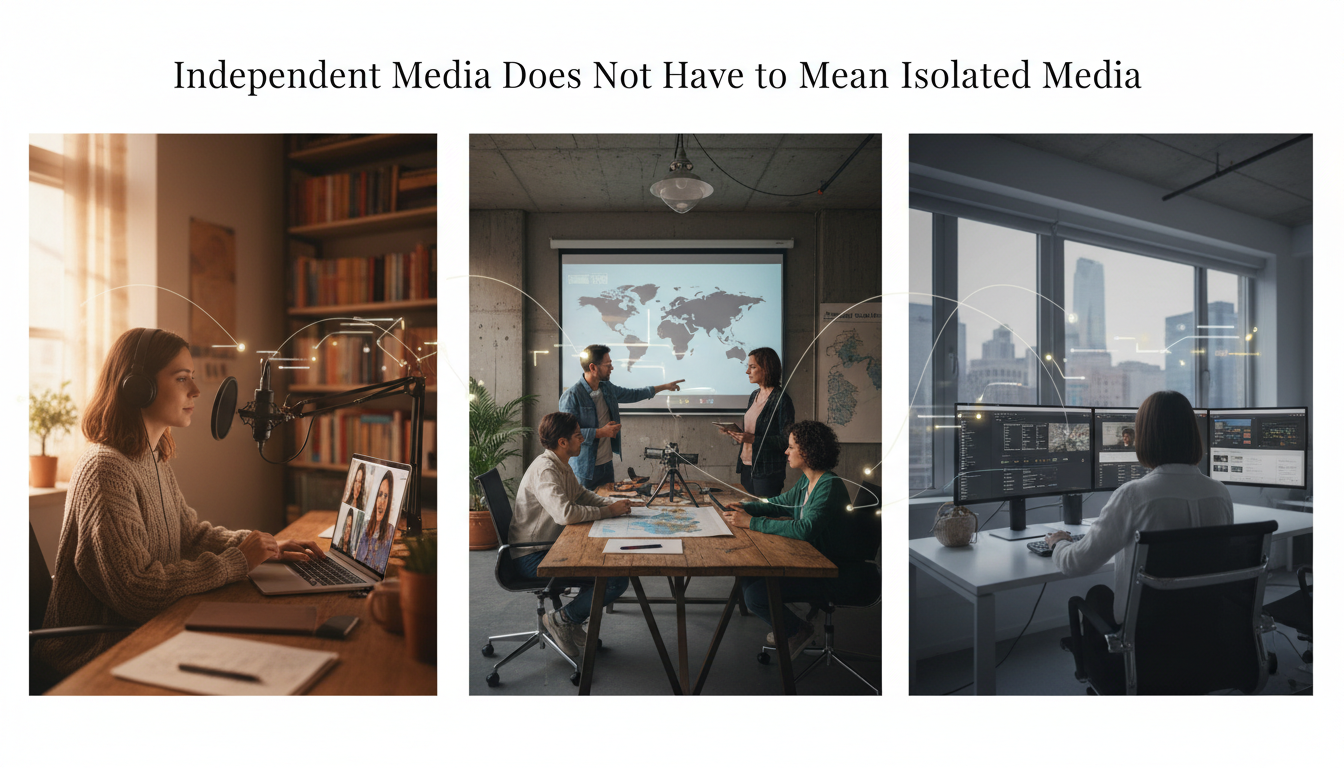
Independent Media Does Not Have to Mean Isolated Media
Independent media can share distribution, production, events and other capabilities without surrendering editorial judgment—if authority, disclosure, data and exit boundaries stay clear.

Attention Is the Only Currency That Compounds
Attention compounds only when people choose to return. Reach can be bought; trust cannot, and trust is what turns one exposure into repeated attention, direct relationship and durable…

4 Key Points to Branding
A brand is the expectation attached to the name. Four durable principles: own something worth remembering, make it recognizable, stay relevant and give attention somewhere useful to go.

The Art of Social Media Posting: A Guide to Not Being a Boring Poster
A social media strategy should start with a real idea, adapt it intelligently for each platform, use AI for leverage instead of filler and give the audience somewhere…
FIND YOUR NEXT THREAD